Understanding the US Holiday Landscape: More Than Just Federal Dates
When you ask, "What holiday is it today?" the answer in the United States is rarely straightforward. Unlike some nations with a unified list of officially mandated days off, the American holiday calendar is a complex tapestry woven from federal directives, state legislation, local ordinances, religious traditions, and widely embraced cultural celebrations. This multi-layered system means that a holiday for one person or organization might just be another workday for another.
For instance, while a quick glance at a calendar might not show a federally recognized holiday, individuals across the nation could be observing significant religious dates. Consider a day like Ash Wednesday for Christians or the start of Ramadan for Muslims, both profound observances for millions but not government-mandated days off. This immediately highlights the distinction between a 'holiday' in the sense of a public day off and a 'holiday' as a day of special observance. Understanding these nuances is key to appreciating the diverse ways Americans mark special occasions.
The system is further complicated by the fact that the federal government sets holidays primarily for its own employees and federally regulated businesses, not for all private sector employers. This means your personal experience of holidays can vary wildly depending on where you live, where you work, and your personal beliefs. To delve deeper into these specific types of observances, you might find What Holidays Are Today? Ash Wednesday & Ramadan Insights particularly informative.
Federal Holidays: A Closer Look at National Observances
Federal holidays in the United States serve as a backbone for official government operations and are observed by closing government offices, federal banks, and often the postal service. Federal employees are typically granted paid time off for these dates. Currently, there are eleven permanent federal holidays, most of which are celebrated on a Monday or Friday to create a convenient three-day weekend. This practice, largely established by the Uniform Monday Holiday Act of 1968, aims to boost leisure and travel, making these long weekends a cherished part of American life.
The Purpose and Scope of Federal Holidays
It's a common misconception that federal holidays are universally enforced days off for all businesses. In reality, the federal government does not mandate private businesses to close or offer paid time off. Instead, private employers have the discretion to decide which holidays they will observe and what benefits, if any, they will provide to their employees on those days. This flexibility allows businesses to tailor their holiday schedules to their specific industry, customer needs, and company culture.
While federal holidays are only legally binding for federally chartered and regulated businesses, government contractors, and the city of Washington, D.C., many private businesses choose to align their schedules with the federal calendar, especially for the most widely recognized dates. This creates a sense of national observance even without a legal requirement. For a more detailed breakdown of these regulations, explore US Holidays: Federal, State, & Private Business Rules.
Widely Observed vs. Less Common Federal Holidays
Some federal holidays have transcended their government-specific origin to become almost universally observed by the private sector. These include:
- New Year's Day: January 1st
- Memorial Day: Last Monday in May
- Independence Day: July 4th
- Labor Day: First Monday in September
- Thanksgiving Day: Fourth Thursday in November
- Christmas Day: December 25th
These holidays are typically accompanied by closures, paid time off, and widespread public celebrations, making them significant markers in the American year. However, other federal holidays are less uniformly observed by private businesses. These might include:
- Martin Luther King, Jr.'s Birthday: Third Monday in January
- Washington's Birthday (Presidents' Day): Third Monday in February
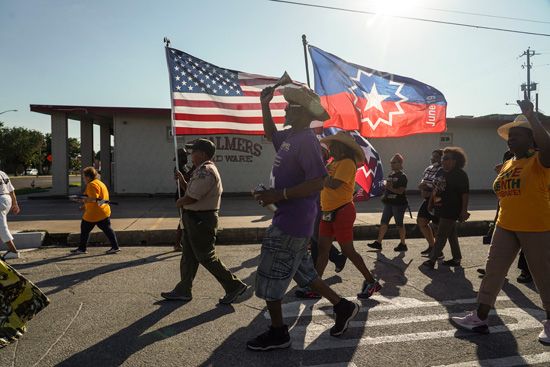
- Juneteenth National Independence Day: June 19th
- Columbus Day (or Indigenous Peoples' Day): Second Monday in October
- Veterans Day: November 11th
While government offices and schools will typically close for these, many private businesses remain open, or only a portion of their workforce might take the day off. This variance contributes to the complexity when answering "What holiday is it today?" as the answer might depend entirely on your specific circumstances.
Holidays Businesses Often Observe (Without Being Federal)
Beyond federal holidays, there are several dates that are not recognized by the federal government but are so culturally entrenched that many private businesses choose to observe them, often with paid time off. These include:
- New Year's Eve: December 31st
- Christmas Eve: December 24th
- The Day after Thanksgiving: Often referred to as Black Friday, though typically a day off for administrative staff rather than retail.
Businesses often grant these days off to boost employee morale, align with customer expectations during peak holiday seasons, or simply follow long-standing traditions. This further blurs the lines between what is "official" and what is "customary" in the American holiday calendar.
Christmas: The Sole Religious Federal Holiday in the US
Perhaps one of the most intriguing aspects of the US holiday calendar is the unique status of Christmas. It stands alone as the only religious holiday designated as a federal holiday. This means that December 25th is a day when federal offices close, and federal employees receive paid time off, just like for New Year's Day or Independence Day.
The origins of Christmas as a federal holiday in the United States date back to 1870, when Congress formally recognized it, along with New Year's Day, Independence Day, and Thanksgiving. At the time, Christmas was already widely celebrated across the nation, deeply embedded in Christian tradition and increasingly adopted as a secular cultural celebration. Its federal recognition solidified its standing as a national day of observance, merging religious significance with a public holiday.
This contrasts sharply with other major religious observances from various faiths, which, despite being profoundly important to their respective communities, are not federal holidays. For example, significant dates like the start of Ramadan (Muslim), Yom Kippur or Passover (Jewish), Diwali (Hindu), or Eid al-Fitr (Muslim) do not typically result in government office closures. This distinction often raises questions about the separation of church and state and the inclusivity of the federal holiday schedule in a diverse nation.
Practical Tips for Employers and Employees Regarding Religious Observances:
- For Employees: If a non-federal religious holiday is important to you, communicate your need for time off well in advance with your employer. Be prepared to discuss options like using personal leave, vacation days, or making up hours. Understanding your company's policies on religious accommodation is crucial.
- For Employers: Many businesses proactively offer flexibility or accommodations for employees observing non-federal religious holidays. This can include allowing the use of personal days, flexible scheduling, or unpaid leave. Creating an inclusive workplace culture that respects diverse religious practices can significantly boost employee morale and retention. It's also important to be aware of legal requirements for religious accommodation under Title VII of the Civil Rights Act.
While Christmas remains a federal holiday with strong religious roots, its celebration has also evolved to include secular traditions, making it a holiday that many Americans, regardless of their religious affiliation, observe culturally. This duality further cements its unique place in the US holiday landscape.
Cultural Celebrations: Holidays Without the Day Off
Beyond federal and religious holidays, the United States is rich with cultural celebrations that are widely observed and celebrated, often with significant enthusiasm, but rarely result in paid time off from work. These holidays typically revolve around social traditions, family gatherings, or community events, rather than official government closures. When contemplating "What holiday is it today?" these cultural touchstones add another layer of meaning for many.
Prominent examples include:
- Valentine's Day (February 14th): A day for expressing love and affection, marked by card exchanges, gifts, and special dinners.
- St. Patrick's Day (March 17th): Celebrated with parades, green attire, and Irish-themed festivities, particularly in areas with strong Irish-American communities.
- Mother's Day (Second Sunday in May) & Father's Day (Third Sunday in June): Dedicated to honoring parents, these are important family days, often involving gifts and family meals.
- Halloween (October 31st): A popular holiday for children and adults alike, featuring costumes, trick-or-treating, haunted houses, and festive decorations.
These cultural holidays play a vital role in American society, fostering community, reinforcing family bonds, and driving significant consumer spending. Businesses often capitalize on these occasions with themed promotions and products, even if their employees are still at work. They contribute to the vibrant cultural fabric of the nation, illustrating that a "holiday" can simply be a special day of observance and celebration, independent of any official governmental decree or time off.
Conclusion
The question, "What holiday is it today?" is far more intricate in the United States than it appears at first glance. The answer depends on a multifaceted system encompassing federal, state, and local government observances, alongside a rich tapestry of religious and cultural celebrations. While Christmas uniquely holds the status of being the only religious federal holiday, myriad other important dates dot the calendar, each with its own significance and method of observance. Understanding these distinctions – from federal employees getting a mandated day off to individuals observing a personal religious holiday or families celebrating a cultural event – offers a comprehensive view of how America truly celebrates. This blend of official mandates, historical traditions, and diverse cultural practices continues to shape the evolving holiday landscape in the US.